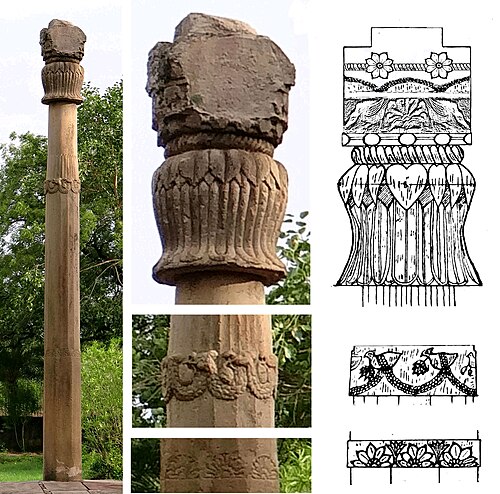
The Heliodorus Pillar
133 BCE
Explore EvidenceBorn around 3228 BCE, Krishna is one of the most prominent figures in ancient history and literature. He was a prince of the Vrishni Clan, however he wasn’t a power-hungry monarch, but rather a master of diplomacy and a political strategist. In the world renowned Mahabharta, when rival kingdoms were at the edge of destruction, Krishna consistently sought peace through negotiation. When war became inevitable, instead of picking up his weapons, he chose to serve as a guide and charioteer, foreshadowing his crucial roles as a philosopher of duty and ethics.
The heroic warrior-chief of the Vrishni clan.
The pastoral sustainer of creation, youth and nature.
The voice of duty, ethics and moral clarity.
To Historians, Krishna represents a combination of different voices and different views with the same meaning. Rather than simply arriving overnight, his identity evolved over centuries blending three ancient figures. A heroic warrior, Vasudev, a sustainer of creation, Gopala and a philosophical teacher. By merging these regional voices into one integrated identity, historical figures created a voice that resonated with each and every member of society, regardless of class or cast, from kings and scholars, to farmers and everyday citizens. In doing so, this unified figure helped shape classical Indian society by providing a shared moral code and coherent cultural identity.
133 BCE
Explore Evidence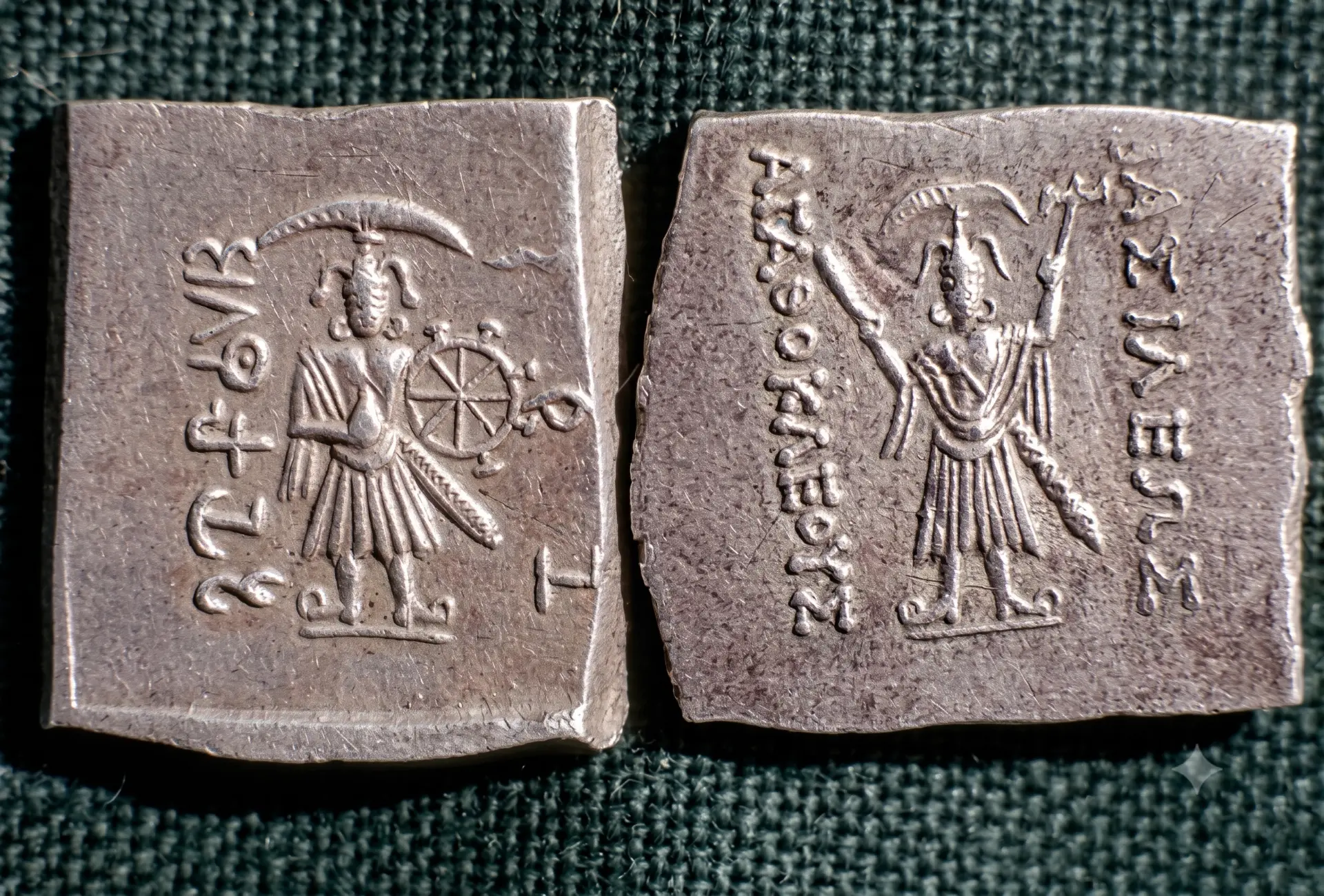
c. 180 BCE
Explore Evidence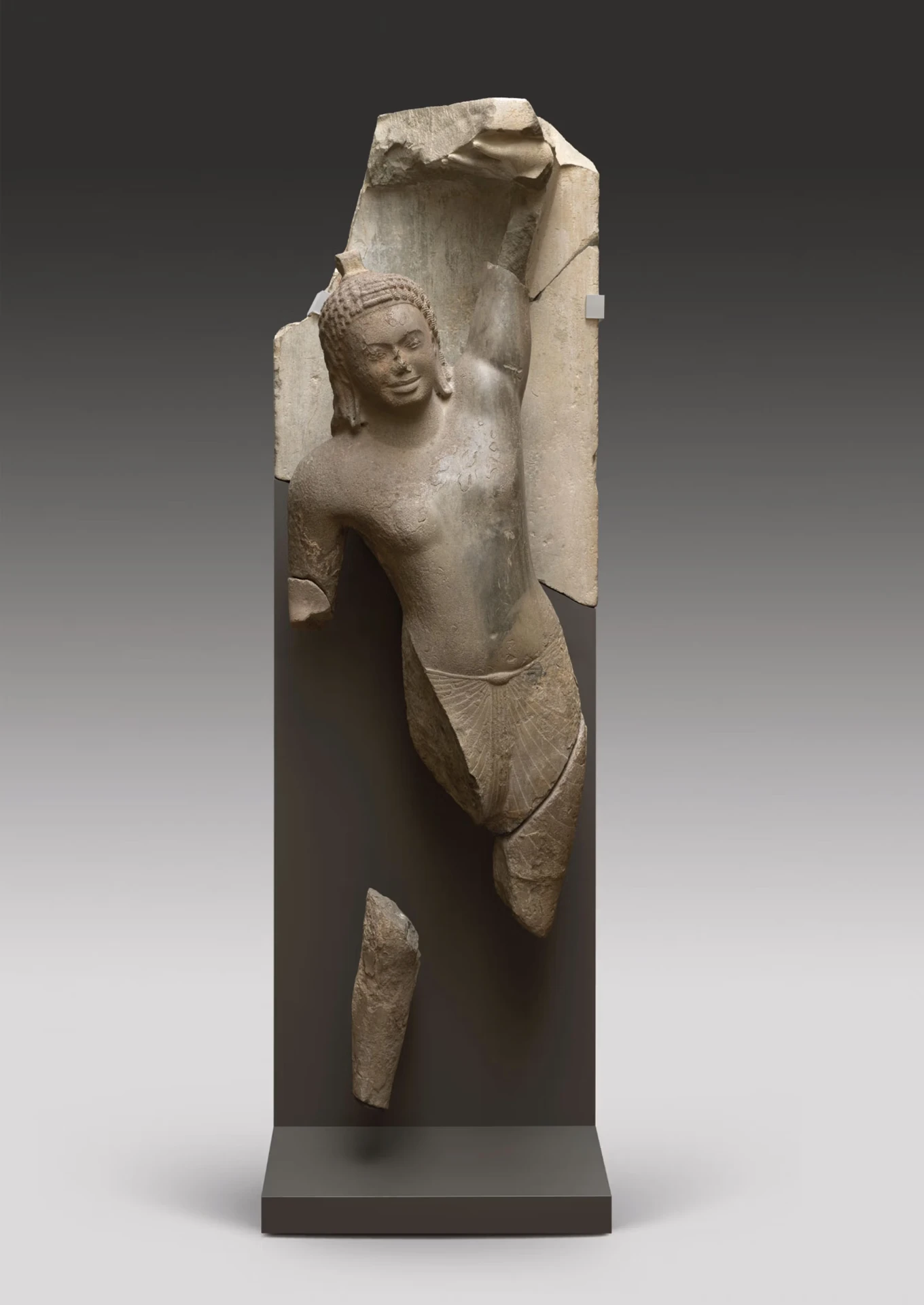
6th Century CE
Explore Evidence133 BCE
Explore Evidencec. 180 BCE
Explore Evidence6th Century CE
Explore Evidence